Why Bay Area Rents Are Rising Again: What Tenants Need to Know in 2026
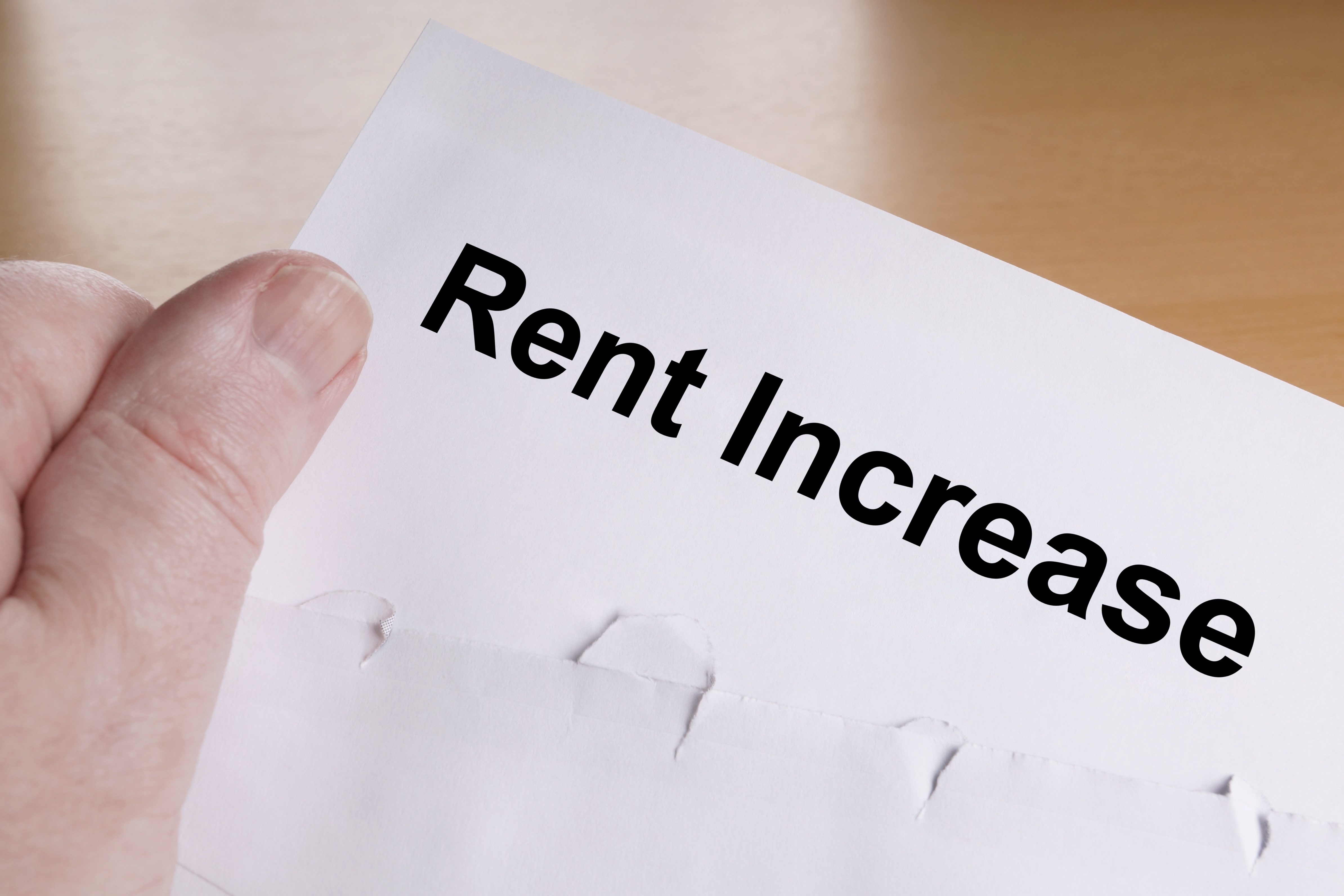
For several years following the pandemic, Bay Area renters enjoyed increased negotiating power, lower competition, and even move-in incentives. In 2026, however, the market has shifted once again. Rental prices across much of the Bay Area are climbing, vacancy rates are tightening, and finding an affordable apartment is becoming more challenging.
If you're renting in the Bay Area or planning to move soon, here's what you need to know about the forces driving rents higher and how to protect yourself in today's competitive market.
Bay Area Rents Are Climbing Faster Than Expected
Recent housing data shows that San Francisco is experiencing one of the largest rent increases among major U.S. cities. Typical rents in the city increased approximately 14% year-over-year, making it one of the fastest-growing rental markets in the country. Oakland and other nearby cities have also experienced notable increases.
Many renters are feeling the impact firsthand. Discussions across local communities and housing forums reveal growing concern about rising rents in cities such as San Mateo, Burlingame, Mountain View, Sunnyvale, and Palo Alto, where even older apartment communities are seeing substantial rent increases.

What's Causing Rents to Rise?
1. The AI and Tech Boom Is Fueling Demand
The Bay Area's newest economic surge is being driven by artificial intelligence companies and technology firms. As AI startups expand and established companies continue hiring, more workers are moving to the region or returning to the office.
This influx of highly compensated employees has increased competition for housing throughout San Francisco and Silicon Valley. Industry experts point to AI-related hiring and wealth creation as major contributors to both rising home prices and increasing rental demand.
2. Return-to-Office Policies Are Bringing Workers Back
Many Bay Area employers have reduced remote work options and are requiring employees to spend more time in the office. As a result, workers are once again prioritizing shorter commutes and housing closer to major employment centers.
Neighborhoods with convenient transit access and proximity to job hubs are experiencing some of the strongest rental demand. This shift has increased competition for apartments in San Francisco, Oakland, Emeryville, and Silicon Valley communities.
3. Housing Supply Remains Limited
Demand isn't the only issue. The Bay Area continues to face a housing shortage that has been years in the making.
While local governments are working to encourage more housing development, new construction has not kept pace with population growth and job creation. Housing inventory remains constrained, creating a supply-and-demand imbalance that pushes both home prices and rents upward.
What This Means for Tenants
Competition Is Increasing
Properties in desirable neighborhoods are receiving more applications and leasing more quickly than they did just a year ago. Renters may have less room to negotiate rent reductions, concessions, or free-month promotions than during previous years.
Budgeting Is More Important Than Ever
With rents rising across much of the region, tenants should carefully review their housing budgets before lease renewals or relocations. It's also wise to account for utility costs, parking fees, renter's insurance, and other housing-related expenses that can add up quickly.
Lease Renewals May Cost More
Many tenants will see rent increases when renewing leases. However, certain properties remain subject to rent-control protections that limit annual rent increases.
For example, many San Francisco apartments built before June 13, 1979 are covered under local rent-control regulations, with allowable increases significantly lower than market-rate rent growth.

Know Your Rights as a California Tenant
Even in a rising rental market, tenants have important legal protections.
California's 2026 rental law updates include changes related to security deposit handling, appliance requirements, disaster-related housing protections, and tenant notification requirements. Understanding these laws can help renters avoid unnecessary fees and better protect their rights.
If you're unsure whether your property is subject to rent control or tenant protection laws, consider consulting a local housing authority or qualified real estate professional.
Tips for Renting Successfully in 2026
Start your apartment search early. Waiting until the last minute may leave you with fewer options and higher prices.
Maintain strong rental records. Landlords are receiving more applications, making good credit, positive rental history, and proof of income increasingly important.
Consider emerging neighborhoods. Areas with improving transit access and new development may offer better value than traditionally high-demand neighborhoods.
Understand your lease before signing. Review rent increase clauses, utility responsibilities, pet policies, and renewal terms carefully.
Looking Ahead
Most experts believe Bay Area rents will remain elevated throughout 2026 as housing demand continues to outpace available supply. The combination of AI-driven job growth, return-to-office policies, and limited housing inventory is creating a highly competitive rental environment.
While renters may face higher costs, staying informed about market trends, tenant rights, and housing opportunities can help you make smarter decisions and navigate the changing rental landscape with confidence.
The Cal Agents Tip: Thinking about renewing your lease or searching for your next rental? Our property management team stays on top of Bay Area rental trends and can help tenants understand the local market. Contact The Cal Agents for guidance on finding the right home and protecting your interests in today's competitive rental environment.
