
Ghosting or Eviction? How to Recognize Illegal Eviction Tactics in the Bay Area This Fall
Ghosting or Eviction? How to Recognize Illegal Eviction Tactics in the Bay Area This Fall
Fall is a time for change. The air is crisp. Pumpkin spice lattes are back. And the holidays are near. But for Bay Area tenants, there’s another unexpected change: unfair eviction tactics.
You may have heard of stories where tenants are “ghosted” by their landlords. There’s no formal communication. Just pressure to move out, unlivable conditions, or illegal eviction attempts. It’s important to know these tactics. You must protect yourself, especially in the competitive Bay Area housing market. Landlords may try to bypass proper procedures to clear out units for new renters.
In this blog, we’ll break down some common deceptive practices landlords use, how you can identify illegal evictions, and what steps you can take to protect your home.
Understanding Legal Grounds for Eviction in the Bay Area
In the Bay Area, some of the strongest housing laws in the country protect tenants. Cities like San Francisco, Oakland, and Berkeley have strict rent control laws. They prevent landlords from evicting tenants at will. California’s Tenant Protection Act (AB 1482) covers many tenants statewide. It ensures that landlords can evict you only for a valid reason, or “just cause.”
But what exactly is “just cause”? It includes things like: not paying rent, violating your lease, or if the landlord or their family want to move in. If your landlord tries to evict you without a valid reason, it may be an illegal eviction.

Common Illegal Eviction Tactics Used by Landlords
Unfortunately, some landlords ignore the law and use shady tactics to get tenants out. Here’s what to look out for this fall:
Refusing to Renew Leases Without Cause
If your lease is up for renewal and your landlord won’t renew it without a valid reason, you may face an illegal eviction attempt. Many landlords use this tactic to get tenants out quietly, hoping they’ll leave without a fight.
What to do: In San Francisco and Oakland, rent control laws require your landlord to provide a just cause for not renewing your lease. If they can’t, stand your ground and consider seeking legal assistance.
Verbal Warnings or Unofficial Notices
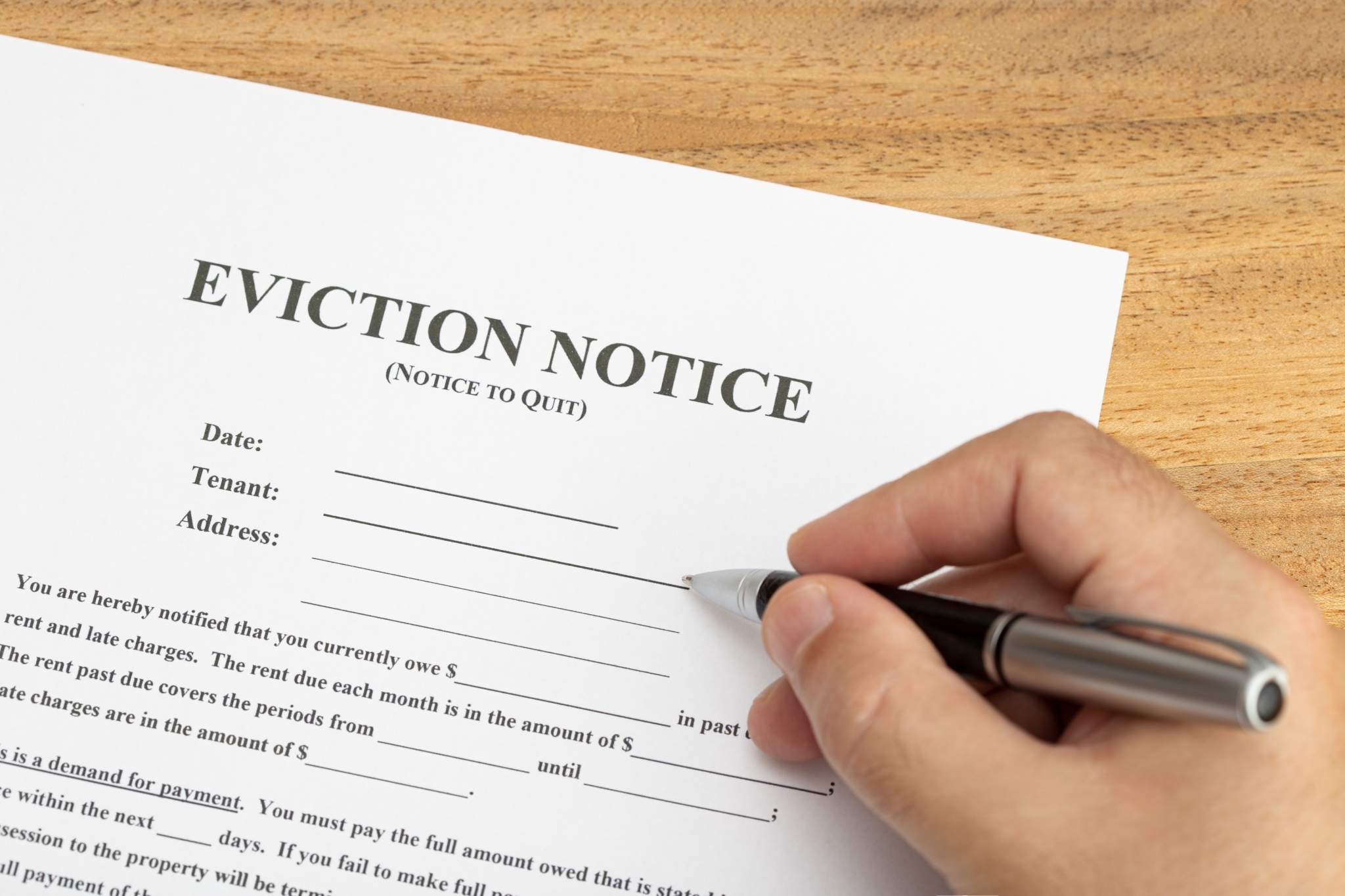
Some landlords might skip formal eviction papers. They may try to pressure you with verbal warnings or notes to leave. This is not a legal eviction process!
What to do: Always request written documentation of any eviction attempt. Don’t let verbal threats scare you into moving out. In California, landlords must give you proper written notice. It can be a 3-day, 30-day, or 60-day notice, depending on the situation.
Harassment or Creating Unlivable Conditions
In extreme cases, landlords may make life so uncomfortable that you feel forced to move out. This could include cutting off your utilities, refusing repairs, or trying to enter your unit without proper notice.
What to do: California law guarantees tenants a warranty of habitability. It means your landlord must keep your home livable. If they’re making your life a nightmare, document everything. Take photos, videos, and save all communications. You can report these actions to local housing authorities. Or, contact groups like the Eviction Defense Collaborative for help.
Misusing “Owner Move-In” Evictions
Some landlords claim they need to move in, or have a family member do so, just to push you out. It’s allowed under certain conditions. But it’s sometimes a loophole to evict tenants illegally.
What to do: If your landlord tries this, ask for proof of their intent to move in. Then, follow up to ensure they are following through. If you suspect this is a false claim, you can challenge the eviction with legal backing. Bay Area Legal Aid provides resources for tenants in these situations.
Lockouts and Self-Help Evictions
Changing the locks, shutting off utilities, or trying to remove you from the property without a court order is illegal. People know them as “self-help evictions.”
What to do: These actions are illegal in California. If your landlord tries to lock you out or cut off services, call the police. Then, contact tenant advocacy groups like the SF Tenants Union for support.

How to Protect Yourself as a Tenant
Now that we’ve covered some of the most common illegal tactics landlords might use, here are ways you can protect yourself:
Know Your Rights
Stay informed about local tenant protection laws in the Bay Area. Cities like San Francisco, Oakland, and Berkeley have their own unique rules. So, understand what applies to your situation. You can find more information in our guide on understanding your rights as a renter.
Document Everything
Keep a record of all interactions with your landlord. Save emails, text messages, and written notices. If they’re trying to create unlivable conditions, take photos and videos as evidence.
Seek Legal Aid
If you suspect an unfair eviction, contact local tenant defense groups. Groups like Eviction Defense Collaborative or Bay Area Legal Aid can help. They can guide you and assist with any legal action needed.
