

July 2026 San Francisco Bay Area Real Estate – Market Trends & Insights
The first half of 2026 wasn't exactly the housing market many people hoped for. Elevated mortgage rates, affordability concerns, and cautious buyers kept home sales relatively subdued across much of the country, including California.
However, as we move into the second half of the year, several encouraging trends are beginning to emerge. Mortgage activity is increasing, younger homebuyers are becoming a larger force in the market, and new federal housing policies aim to tackle long-standing affordability and supply challenges. While the market hasn't fully rebounded, these developments suggest that conditions could gradually improve in the months ahead.
Here's what buyers, sellers, landlords, and investors should know.
New Federal Housing Law Aims to Improve Affordability
One of the biggest housing developments of 2026 is the passage of the 21st Century Road to Housing Act, one of the most significant housing affordability packages in decades.
The legislation introduces nearly 50 housing-related initiatives designed to increase housing supply, modernize federal housing programs, and improve affordability for future homeowners.
Some of the most notable provisions include:
A $200 million grant program encouraging cities to reduce restrictive zoning regulations.
A new HUD pilot program expanding access to small-dollar mortgage loans.
Restrictions on large institutional investors purchasing single-family homes in bulk, helping create more opportunities for individual buyers.
While these changes won't transform the market overnight, they represent meaningful long-term efforts to address the nation's housing shortage and affordability challenges.
Mortgage Activity Suggests Buyers Are Returning
Although home sales remained slower than expected during the first half of 2026, June delivered one of the strongest signs of renewed buyer activity.
According to industry mortgage data:
Mortgage rate-lock volume increased 10% compared to May.
Rate locks were 14% higher than June 2025.
Activity reached its highest level since 2023.
Mortgage rate locks are considered a leading indicator of future home sales because buyers typically lock in financing before closing on a purchase.
As mortgage rates moderated slightly during June, many buyers who had been waiting on the sidelines began moving forward with their home search.
If rates continue stabilizing throughout the remainder of the year, the market could experience stronger sales activity heading into fall.
Gen Z Is Becoming a Major Homebuying Force
Despite affordability challenges, younger buyers continue entering the housing market at record levels.
Recent mortgage data shows:
One in every five purchase mortgage rate locks now comes from Generation Z buyers.
Nearly one-third of first-time homebuyer mortgages are held by Gen Z.
More than one-quarter of FHA purchase loans are being used by this generation.
As more Gen Z buyers reach prime homebuying age, their influence on housing demand will continue growing.
For California sellers, this means homes that are move-in ready, energy-efficient, and located near employment centers or transit may continue attracting strong interest from younger buyers.
Walkable Neighborhoods Continue to Be in High Demand
Location remains one of the biggest priorities for today's buyers.
The 2026 National Association of REALTORS® Community and Transportation Preference Survey found overwhelming demand for neighborhoods offering convenience and accessibility.
Survey highlights include:
89% said sidewalks and walkability are important.
82% value living near parks, shopping, and restaurants.
63% would pay more to live in a walkable neighborhood.
59% prefer a smaller home in a walkable community over a larger home requiring longer commutes.
The survey also found growing support for diverse housing options, including:
Smaller single-family homes
Townhomes
Duplexes
Attached housing developments
As California communities continue addressing housing shortages, these preferences may influence future development and zoning decisions.
Remodeling Activity Slows Across the Western U.S.
While remodeling remains active nationwide, builders in the Western region—including California—have become noticeably more cautious.
The latest Remodeling Market Index shows:
National remodeling sentiment remains positive.
The Western U.S. fell below neutral levels for the first time since 2020.
Rising material costs and ongoing economic uncertainty continue affecting contractor confidence.
Nearly three-quarters of remodelers also reported higher building material prices during the second quarter.
For homeowners considering renovations, obtaining estimates early and carefully budgeting for projects remains especially important while material costs remain elevated.
Inflation Remains a Watch Item, But Employment Outlook Improves
Inflation expectations increased slightly in June, with consumers expecting inflation around 3.7% over the next year.
While inflation remains above ideal levels, there are encouraging signs elsewhere in the economy.
Consumers reported:
Lower expectations of losing their jobs.
Increased confidence in finding new employment if needed.
Continued strength in the labor market.
A healthy employment environment often supports housing demand by giving buyers greater confidence in making long-term financial commitments.
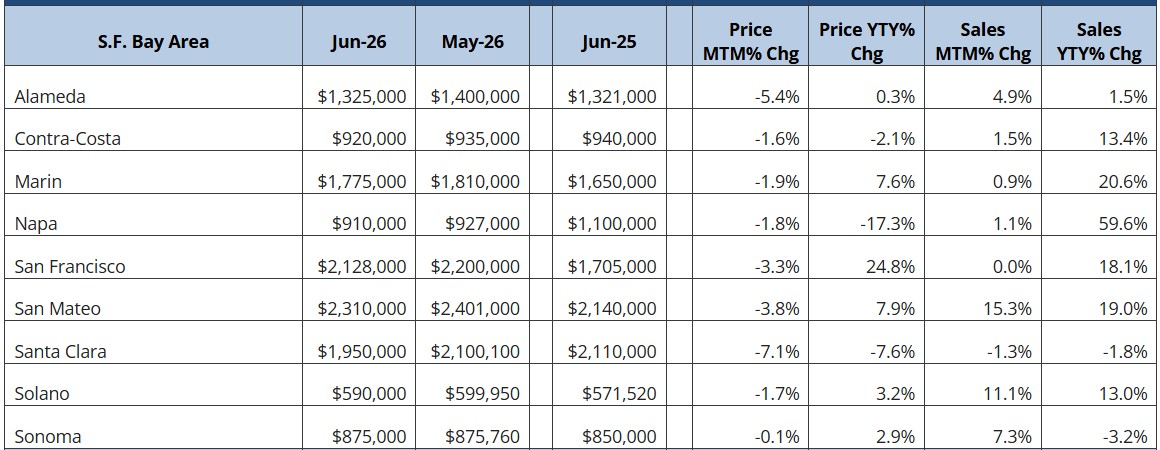
What This Means for the Bay Area Housing Market
While national trends don't always translate directly to the Bay Area, they often shape local market conditions over time.
As mortgage rates stabilize and buyer confidence gradually returns, Bay Area buyers may find more opportunities before competition increases again.
For sellers, pricing strategically and preparing homes to meet today's buyer expectations remain critical for attracting serious offers.
Landlords and investors should also continue monitoring housing policy changes, affordability initiatives, and demographic shifts that could influence both rental demand and long-term property values.
The second half of 2026 may not bring an overnight market turnaround, but the signs point toward a healthier, more balanced housing environment than what we experienced earlier this year.
Final Thoughts
The housing market continues to evolve, and staying informed is one of the best ways to make confident real estate decisions.
Whether you're buying your first home, selling a property, investing, or managing rental properties, understanding market trends can help you plan ahead and identify opportunities as they emerge.
At The CAL Agents Realty, we're committed to helping Bay Area buyers, sellers, landlords, and investors navigate changing market conditions with confidence. If you're wondering how these national trends may affect your local market, our team is here to help you make informed decisions every step of the way.
