
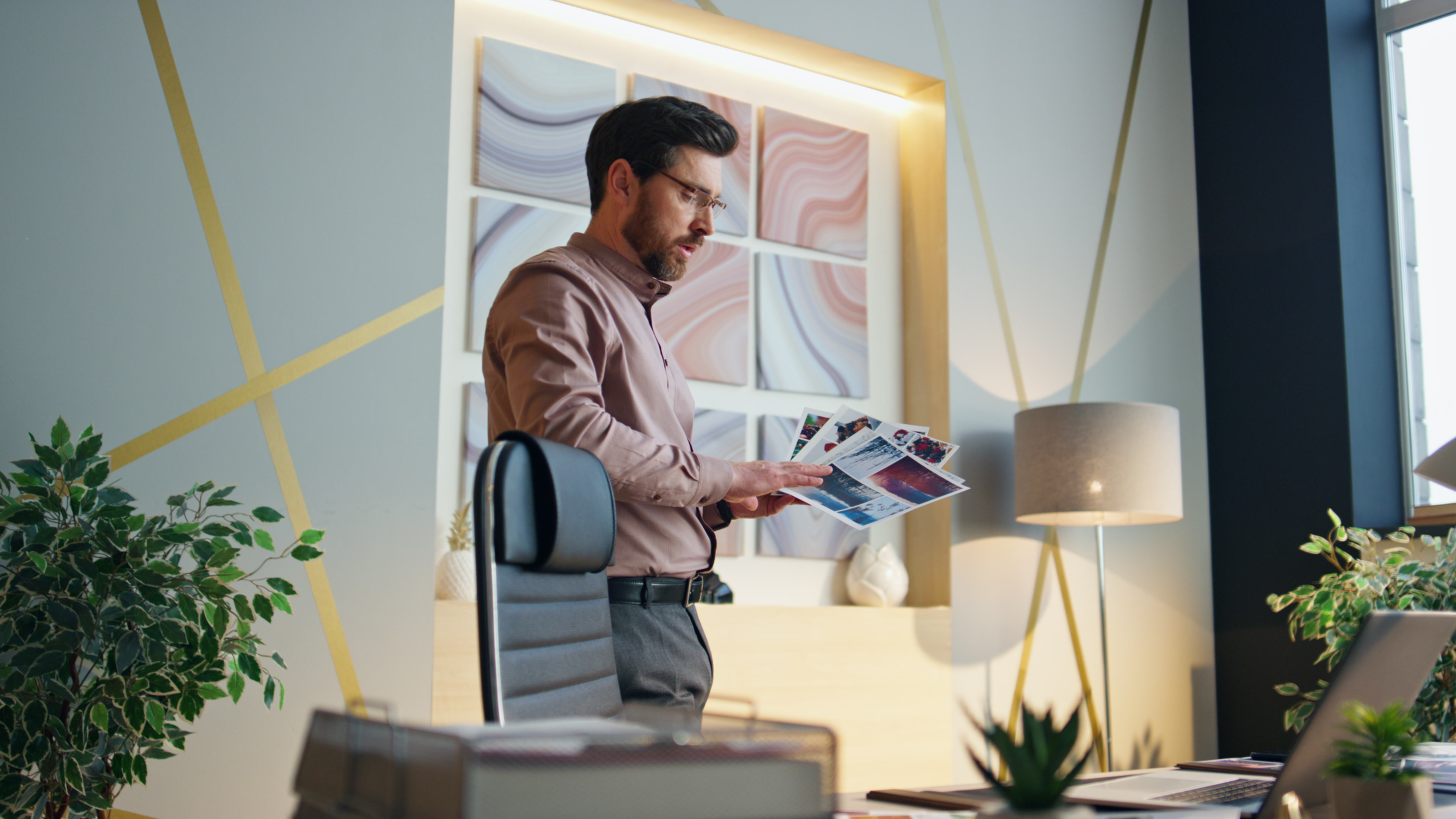
Designing Flex Rooms: A Versatile Solution for Modern Homes
In the ever- evolving home design landscape, versatility has become a key priority for homeowners. Enter the trend of flex rooms - adaptable spaces that can serve various functions as your needs change. Whether you're a landlord or a homeowner in the San Francisco Bay Area, knowing how to create a flex room can add significant value to your property. Let's explore the growing flex room trend and insights on how to design one effectively.
The Flex Room Trend
Flex rooms are not new, but they have gained immense popularity in recent years, reflecting changing lifestyles and the need for multipurpose spaces. These rooms are designed to be flexible, accommodating different activities and functions without a complete renovation. A flex room can serve various purposes, from the home office and guest bedrooms to fitness studios and playrooms.
Key Considerations for Designing a Flex Room
Assess Your Needs:
Evaluate your current and potential needs. What functions would best serve your lifestyle? Standard options include a home office, guest room, fitness area, entertainment room, or a combination.

Location Matters:
Choose the location of your flex room carefully. It could be a spare bedroom, a converted attic, a basement, or even a section of a larger living area. Consider factors like natural light, provacy, and accessibility.
Flexibility in Furniture:
Opt for furniture that can be easily rearranged or transformed. Consider a fold-out sofa bed, wall-mounted desks, or modular storage solutions. This allows you to adapt the room's layout quickly.
Functional Storage:
Adequate storage is crucial for keeping the space organized and clutter-free. Incorporate built-in shelves, cabinets, and multifunctional furniture with storage options.
Technology Integration:
Ensure your flex room is equipped with the necessary technology for its intended use. A home office will need electrical outlets, data ports, and ergonomic furniture. For a media or entertainment room, consider audiovisual systems and soundproofing.
Versatile Flooring:
Choose flooring that suits the room's primary functions. For example, use durable and easy-to-clean flooring fora home gym or playroom and cozy carpet or hardwood for a guest room.
Lighting Design:
Incorporate adjustable lighting solutions to create the right ambiance for different activities. Task lighting is essential for workspaces while softer, dimmable lighting is ideal for relaxation.
Aesthetics and Decor:
Keep the decor and color scheme neutral and adaptable. You can add pops of color of personal touches that can be easily changed. Consider using versatile and timeless design elements.
Air Quality and Ventilation:
Ensure proper ventilation and air quality, especially if the room will be used or exercise or long working hours. Adequate airflow and temperature control are essential.
Accessibility:
Make the room accessible to all family members and guests. Consider wider doorways and a flexible layout that accommodates different mobility needs.
Conclusion
Designing a flex room is a creative and practical way to enhance the functionality and appeal of your home. It provides the versatility needed to adapt to changing lifestyles and needs.
Whether you're a homeowner or a landlord. The Cal Agents sister company, 6 Hammers, can help you design and build the perfect flex room for your needs. Call us to arrange a no-cost consultation to get your dream project started.
